Build a Free Custom AI Voice for Your Next Project
A free custom ai voice starts with a clear brief: define who the voice is for, how it should sound, and where the finished narration will be used.

Explore related voice workflows
From voice idea to usable direction
A custom voice workflow works best when the brief moves from broad identity to specific delivery choices.
-
1
Define the identity
Describe the audience, role, age impression, energy, and personality the voice should communicate.
-
2
Set the delivery
Add direction for pace, warmth, emphasis, pronunciation, and pauses so the output has a usable performance target.
-
3
Review the result
Listen for consistency, clarity, and fit with the script, then refine the brief before using the voice in a finished project.
Know the limits of a custom voice brief
A detailed prompt improves direction, but it does not remove the need for review or make every voice suitable for every use.
-
A brief cannot guarantee one exact performance
Small changes in wording, punctuation, or context can affect emphasis and pacing.
WorkaroundTest the voice on representative lines and revise the direction around the result.
-
A custom style is not the same as identity replication
Describing a tone creates a creative direction; it does not establish permission to imitate a real person.
WorkaroundUse an original voice concept or obtain documented consent for any identifiable voice.
-
One voice may not suit every format
A delivery that works for a short video can feel too slow, bright, or formal in a game, podcast, or tutorial.
WorkaroundKeep separate briefs for different audiences, formats, and listening environments.
Custom direction versus a generic voice request
The difference is not just the label. It is how much usable information the request gives the voice system before generation.
Custom voice brief
Generic voice request
Identity
Custom voice brief
Defines role, audience, personality, and overall impression.
Generic voice request
Usually names only a broad voice type.
Delivery
Custom voice brief
Specifies pace, energy, warmth, emphasis, and pauses.
Generic voice request
Leaves performance choices mostly open.
Project fit
Custom voice brief
Connects the voice to a script, channel, or use case.
Generic voice request
May sound acceptable but disconnected from the project.
Revision path
Custom voice brief
Gives clear variables to adjust after listening.
Generic voice request
Makes it harder to explain what should change.
Consistency
Custom voice brief
Creates a reusable reference for related lines or scenes.
Generic voice request
Can produce a different feel whenever the request changes.
Legal and ethical clarity
Custom voice brief
Encourages original traits and explicit permission where relevant.
Generic voice request
Can invite vague or risky imitation requests.
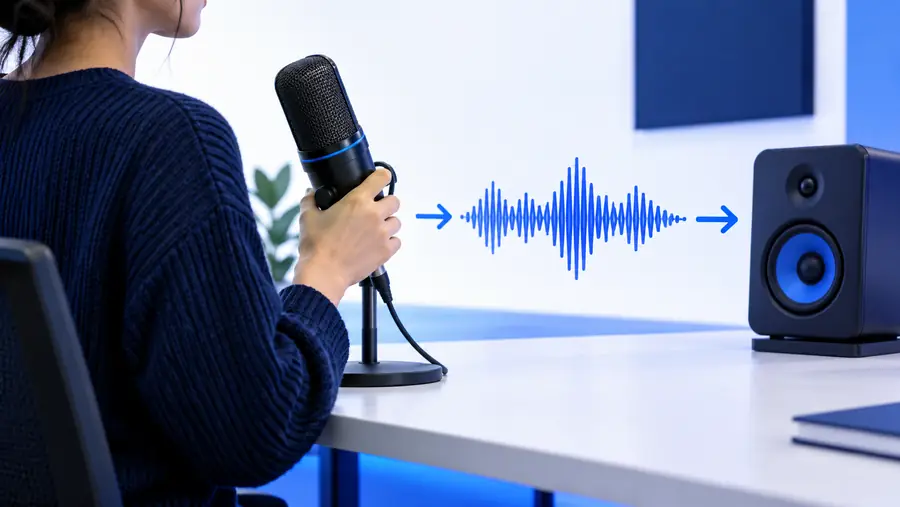
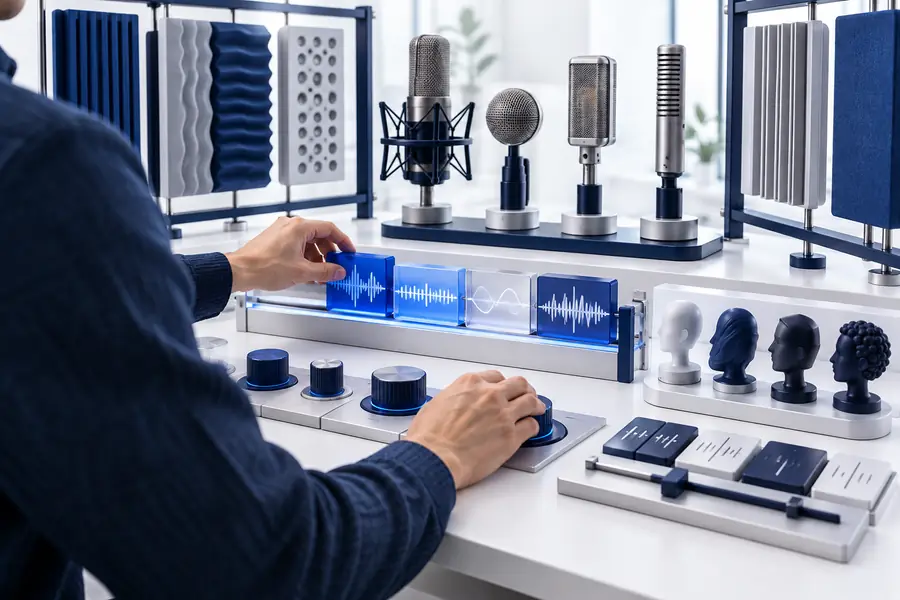
Hear the difference a clearer brief can make
The strongest improvement often comes from replacing a vague request with specific direction about character and delivery.
- Broad request
- Custom direction
Compare the brief, then review the audio.
Give your next voice a clear point of view
Describe the audience, character, and delivery you want before you generate. A focused brief makes it easier to judge whether the result belongs in your project and easier to refine when it does not.
Create custom voice- Define tone before recording
- Review clarity and consistency
- Keep the concept original
Free custom voice questions
A free custom ai voice is a generated voice shaped around a specific creative brief rather than a generic preset. The brief can describe tone, personality, pacing, audience, and intended use.
Start with the role and audience, then describe the desired tone and delivery in concrete language. Generate a sample, listen for clarity and fit, and refine the brief before producing more lines.
A creative description is different from copying an identifiable person’s voice. Use an original voice concept, or get clear permission before working with a real person’s recorded identity.
Include the voice’s role, personality, energy, pace, warmth, pronunciation needs, and the setting where people will hear it. A short sample line can also help you judge whether the intended delivery is working.