Voice technology

What is ai voice cloning and how does it work?

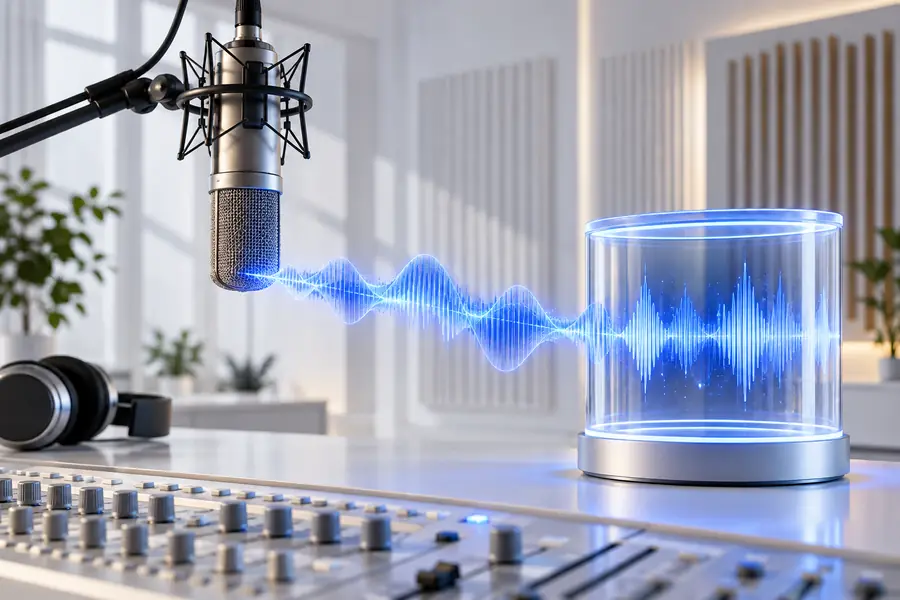
What is ai voice cloning? It is technology that learns the recognizable qualities of a person’s speech from recorded audio, then uses a model to produce new spoken words in a similar voice. The result is generated speech, not a recording of the person saying every sentence.

Start with the idea

AI voice cloning creates a digital voice model from speech samples so text can be rendered with related vocal characteristics.

Real-world roles

Who uses it?

The same underlying capability can support accessibility, production, localization, and private experimentation when the speaker’s permission and the intended use are clear.

Content creators

A creator needs consistent narration for a series but cannot record every revision in the same session.

A permitted voice model can produce revised lines with a more consistent delivery, while the creator remains responsible for reviewing the final audio.

voice ai text to speech
Accessibility teams

A product team wants spoken versions of written material in a voice selected for a specific service or presenter.

Generated narration can make updates easier to produce, provided listeners are not misled about whether the audio is live or synthetic.

are voice assistants ai

Media and localization teams

A publisher adapts approved scripts for multiple editions while preserving a recognizable presenter style.

A voice model may reduce repeat recording work, but pronunciation, cultural context, and permission still need human review.

free voice ai online

Researchers and developers

A team tests speech interfaces, dialogue systems, or audio prototypes with a controlled reference voice.

Voice cloning can make experiments more repeatable without using a real person’s identity beyond the agreed scope.

voice ai google studio

Inside the model

How it works

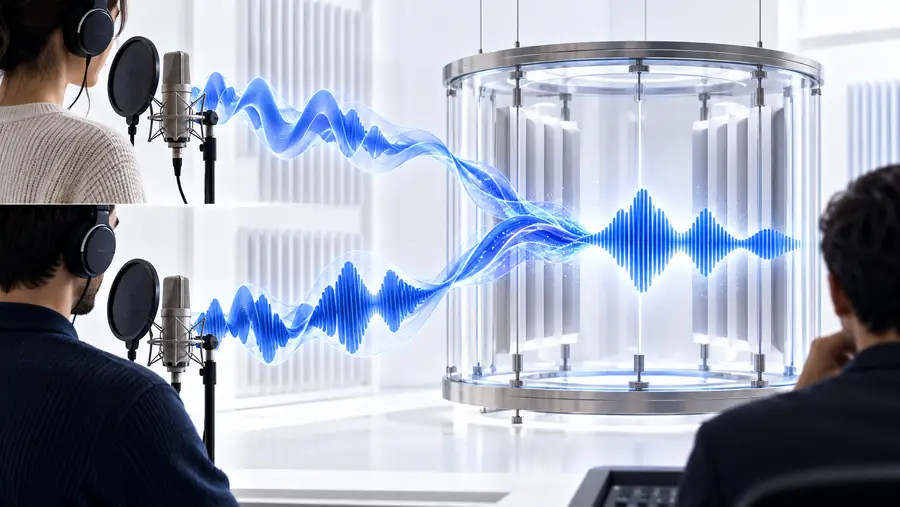
A typical workflow turns a permitted recording into a voice representation, then combines that representation with new text and speech controls.

  1. 1

    Provide a voice sample

    The system analyzes one or more recordings for traits such as pronunciation, pacing, pitch movement, timbre, and pauses. Cleaner, more consistent speech generally gives the model a clearer reference.

  2. 2

    Build a speech representation

    A machine-learning model separates linguistic content from characteristics associated with the speaker. It does not store a magical copy of every possible sentence; it estimates how the voice may sound producing new content.

  3. 3

    Generate and review audio

    Text is passed through the trained voice model to synthesize speech. People should check pronunciation, emphasis, unnatural phrasing, and whether the output could confuse listeners about who actually spoke.

Important boundaries

What it can and cannot do

A voice model can reproduce patterns of speech, but it does not prove identity, intent, authorship, or permission.

  • It cannot guarantee a perfect likeness

    Generated audio may sound close in tone while missing subtle timing, emotion, accent, or the speaker’s natural response to context.

    WorkaroundUse review recordings and adjust scripts, pronunciation, pacing, or delivery controls before publishing.

  • It cannot create consent

    Having a sample does not mean the speaker agreed to every future script, audience, language, or commercial use.

    WorkaroundDocument permission, define the allowed use, and provide a way to stop or revise the project.

  • It cannot verify who is speaking

    A convincing synthetic voice is not reliable proof that the named person made a statement or approved an action.

    WorkaroundUse independent identity checks, signed approvals, and trusted communication channels for sensitive decisions.

  • It cannot replace editorial judgment

    The model may mispronounce names, flatten meaning, or produce a delivery that is technically clear but inappropriate for the situation.

    WorkaroundKeep a human review step for factual, emotional, legal, and public-facing content.

Clear distinction

Voice cloning beside ordinary text-to-speech

Both systems can turn written text into audio, but they answer different questions about the voice being produced.

1

Primary goal

AI voice cloning

Reproduce selected characteristics of an approved reference speaker.

Standard text-to-speech

Produce clear speech using a general or prebuilt synthetic voice.

2

Required input

AI voice cloning

Usually includes recorded speech from the reference voice.

Standard text-to-speech

Usually requires text and a choice from available voices.

3

Identity signal

AI voice cloning

Designed to resemble a particular speaker’s vocal profile.

Standard text-to-speech

Designed around a voice option, not necessarily a named individual.

4

Main control

AI voice cloning

Similarity, pronunciation, pacing, and delivery of the reference voice.

Standard text-to-speech

Language, voice style, speed, pitch, and pronunciation controls.

5

Main risk

AI voice cloning

Impersonation, unauthorized use, or confusion about who spoke.

Standard text-to-speech

Mispronunciation, unnatural delivery, or unsuitable voice selection.

6

Best review question

AI voice cloning

Does this use have permission, and could listeners misunderstand its source?

Standard text-to-speech

Is the selected voice clear, appropriate, and accurate for the content?

7

Typical output

AI voice cloning

New sentences rendered with traits associated with the reference speaker.

Standard text-to-speech

New sentences rendered in a general synthetic voice style.

Hear the difference

From source recording to generated speech

The transformation is not a simple audio copy. The model uses a reference voice to synthesize new words that were not present in the original recording.

  • Reference sample
  • Synthesized output

The output should be reviewed for accuracy, consent, and listener clarity.

Reference speech recording used for a voice model
Generated speech waveform produced from new text

A useful mental model

Three parts of the process

These three concepts help separate the recording, the model, and the final audio when evaluating a cloning workflow.

1 Reference speech supplies the vocal evidence.
01 sample
2 A learned representation estimates how the voice may speak.
02 model
3 New text becomes audio that requires human review.
03 output

Use it responsibly

Turn a voice idea into a reviewed audio workflow

Voice Ai can help you explore synthetic speech, but the strongest workflow starts with a clear purpose, documented permission, and a review step before anyone hears the result. Use the tool for an approved voice and keep the intended audience in mind.

Try voice tools
  • Start with permission you can document
  • Review names, tone, and pronunciation
  • Tell listeners when synthetic audio matters

Questions answered

Frequently asked questions

It is a way to create new speech that resembles a particular person’s voice by analyzing recordings and generating audio from fresh text. The output is synthetic, even when it sounds similar to the reference speaker.

A model examines speech patterns such as tone, timing, pronunciation, pitch movement, and vocal texture. It then uses those learned patterns to estimate how the reference voice might deliver words that were not in the original recording.

It can generate many new sentences, but quality varies with the recording, language, pronunciation, script, and controls available. It may still mispronounce names, miss emotional nuance, or sound unnatural, so review is necessary.

No. A convincing voice is not reliable evidence of identity, approval, or authorship. Sensitive requests should be confirmed through an independent channel rather than trusted because an audio clip sounds familiar.

Permission is an essential starting point, but the exact requirements depend on the use, location, contract, and applicable law. Define who may use the model, for what purpose, for how long, and how the permission can be withdrawn or changed.

Start creating
Start creating