
Tool comparison

A Clearer Voice AI vs Generator Decision

Voice ai vs generator is not a choice between two identical products. It is a choice between a broader workflow and a focused way to turn written direction into spoken output.

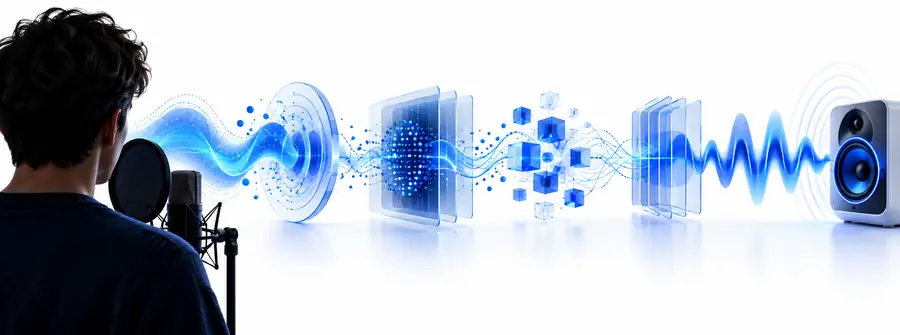
Abstract voice waveform representing a comparison between voice AI workflows

Total cost: what actually changes

The cheapest-looking option is not always the lowest-cost workflow. Count setup, revisions, editing, and the time required to reach an acceptable result.

  • A generator may cover one output better than a full workflow

    A focused generator can be excellent at producing speech from text, but it may not include conversation, live input, voice transformation, or broader audio controls.

    WorkaroundChoose a generator for a defined text-to-audio task and use a broader voice AI workflow when several stages belong together.

  • Quality is not guaranteed by the label

    The words voice AI and generator describe categories, not a fixed quality level. Naturalness depends on the model, script, pronunciation, pacing, and controls available.

    WorkaroundTest the same short script in each option and compare names, pauses, emphasis, and difficult words.

  • Costs can hide in revision work

    A low-cost generator becomes less efficient when every change requires a new export, manual cleanup, or a separate editor.

    WorkaroundEstimate the number of revisions before choosing, especially for long narration, recurring content, or client work.

  • Rights and consent still matter

    Neither a voice AI system nor a generator removes responsibility for using a speaker's identity, likeness, or recorded material appropriately.

    WorkaroundUse voices and source material you are authorized to use, and keep consent and project records.

  1. 1

    Define the output

    Decide whether you need one polished narration, repeated voice assets, live interaction, or a wider set of audio tasks.

  2. 2

    Run the same test

    Use one representative script with names, numbers, pauses, and emotional direction so the comparison measures your real requirements.

  3. 3

    Count the finished effort

    Include setup, retries, editing, approvals, and future changes rather than judging only the first generated clip.

Where quality differs

A useful comparison is not just which sample sounds more human. It is which option keeps quality consistent when the brief becomes specific or changes over time.

  • Broad workflow
  • Focused generator

Compare identical scripts, not different demos.

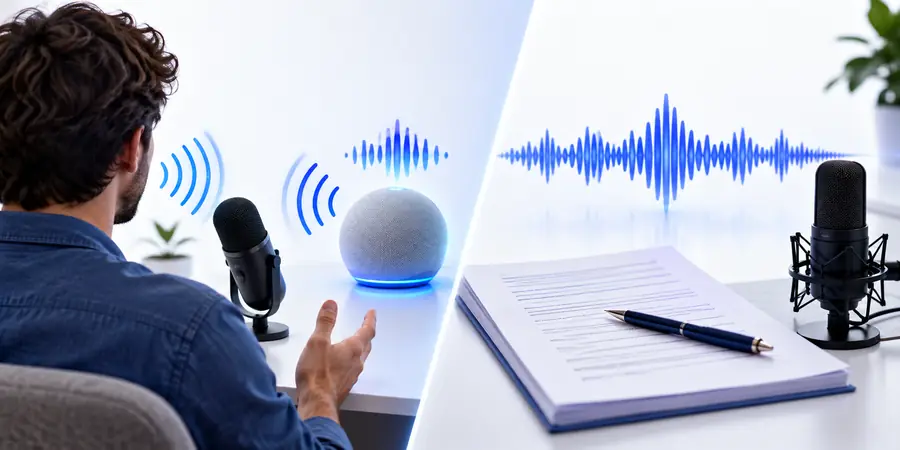
Voice workflow comparison showing a broader AI voice process
Focused AI voice generator output for a scripted sample

Where time differs

Time savings come from fewer handoffs and fewer corrective passes. A generator can be quicker for a single script, while voice AI can reduce friction across a changing project.

1 A focused generator is often easiest to judge on one repeatable text-to-voice task.
1 script
2 Review pronunciation, pacing, and consistency before treating a sample as production-ready.
3 checks
3 Compare both the creation step and the revision path when measuring time.
2 workflows
1

Best starting point

Broader voice AI workflow

Projects involving several voice tasks or changing requirements

Focused voice generator

A defined script that needs spoken output

2

Setup effort

Broader voice AI workflow

May require choosing a mode, voice, and workflow

Focused voice generator

Usually centered on entering text and selecting a voice

3

Revision flexibility

Broader voice AI workflow

Better when the project may expand into other voice tasks

Focused voice generator

Efficient when revisions stay within the same generation pattern

4

Output control

Broader voice AI workflow

Can provide broader controls depending on the product

Focused voice generator

Often concentrates on delivery, pronunciation, and voice selection

5

Use-case range

Broader voice AI workflow

Narration, interaction, transformation, and other audio workflows

Focused voice generator

Primarily scripted speech generation

6

Cost to evaluate

Broader voice AI workflow

Worth testing against the full project brief

Focused voice generator

Easy to test with a short, representative script

7

Long-term fit

Broader voice AI workflow

Useful when content, channels, or voice requirements may change

Focused voice generator

Strong when the scope remains narrow and repeatable

8

Main tradeoff

Broader voice AI workflow

More choice can mean more decisions during setup

Focused voice generator

Less flexibility can become a constraint outside the core task

When switching is worth it

Switch when the current tool creates repeated work, not simply because another demo sounds different. Match the move to the person responsible for the final result.

The solo creator

You need narration for videos, explainers, or social posts and expect scripts to change regularly.

A focused generator may be the better fit when text-to-speech is the only recurring need. If you also need broader voice workflows, compare it with [voice ai vs voice changer](/voice-ai-vs-voice-changer/).

voice ai vs voice changer

The content team

Several people prepare scripts, request changes, and reuse voice assets across a growing content library.

A broader voice AI workflow can justify its extra choices when consistency, repeatability, and revision control matter. The [voice ai alternative online](/voice-ai-alternative-online/) comparison can help frame a migration.

voice ai alternative online

The product builder

You are testing spoken prompts, user-facing audio, or an interaction that may expand beyond one generated clip.

Start with the narrowest generator that proves the concept, then move to a broader voice AI setup if interaction or multiple voice operations become part of the product.

voice ai alternative online

The audio editor

You care about clean takes, predictable pronunciation, and how easily a project can be revised after approval.

A generator can win for a stable script, while a broader voice AI tool may save time when approvals produce frequent changes. See [voice ai vs voice changer](/voice-ai-vs-voice-changer/) for the control distinction.

voice ai vs voice changer

Choose the workflow that removes your next bottleneck

Use the narrow generator when it solves a clear text-to-voice job with minimal setup. Choose a broader voice AI workflow when your project needs more flexibility, more iteration, or more than one kind of voice operation.

Test your voice workflow
  • Compare with one real script
  • Count revisions, not just first output
  • Keep consent and usage rights clear

Comparison FAQ

Voice AI is a broader category covering systems that can create, transform, understand, or work with voice in different ways. A voice generator usually refers to a focused tool that produces spoken audio from an input such as text.

Not always. A generator can be one application of voice AI, but the term voice AI may include additional capabilities such as interaction, voice conversion, analysis, or workflow controls.

A focused generator is often the simplest choice when your only requirement is turning scripts into speech. A broader voice AI product may be better if the same project also needs other voice functions or more flexible iteration.

Neither label guarantees better sound. Quality depends on the voice model, script, pronunciation handling, pacing controls, emotional direction, and the number of revisions your workflow supports.

Switch when the generator creates repeated work outside its main task, such as handling multiple voice formats, interactive use, or frequent changes. If your scripts remain stable and the output is acceptable, switching may add complexity without a clear benefit.

Start creating
Start creating